
20 Window Display Ideas & Examples That Drive Sales
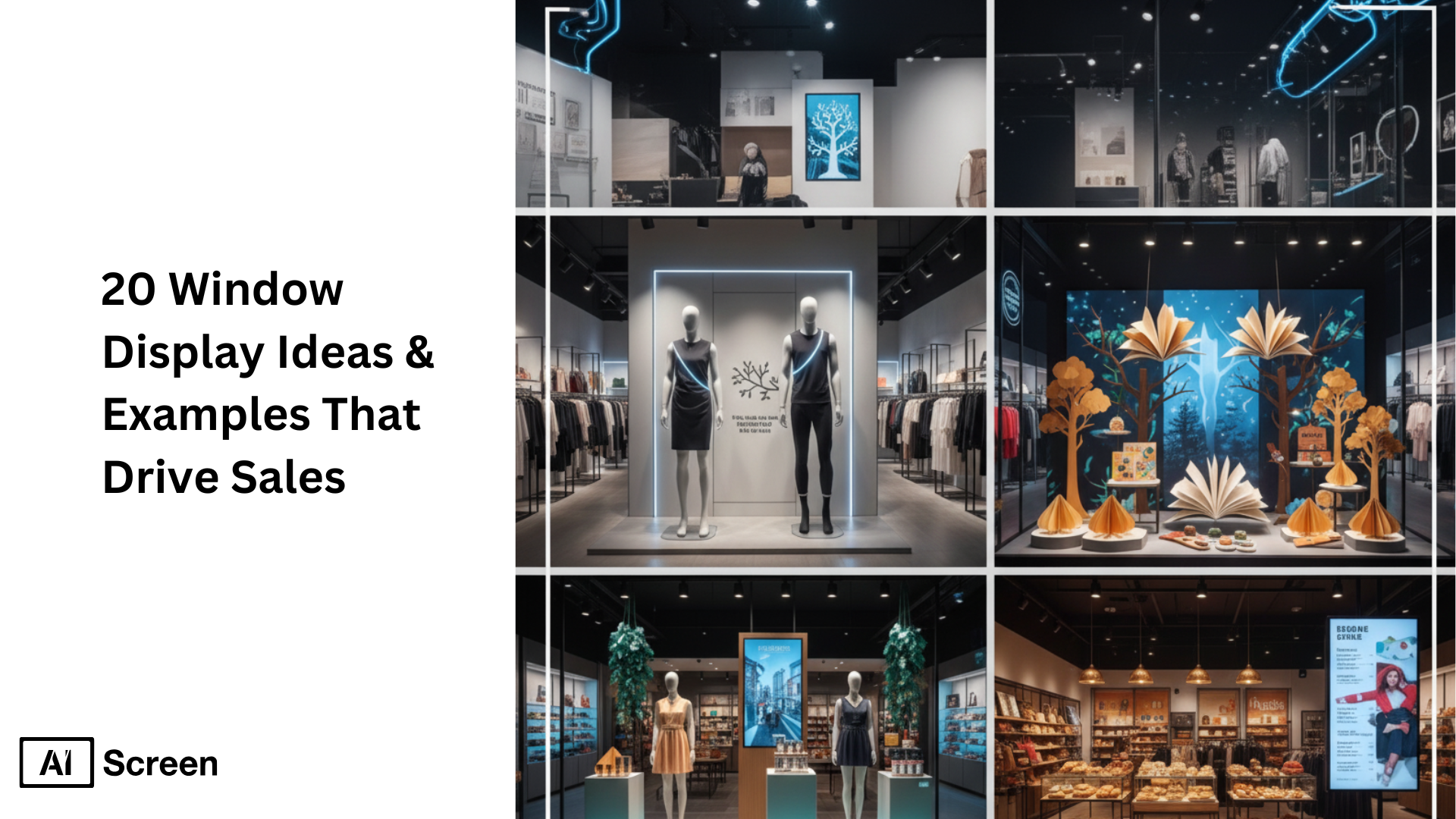
Your storefront is basically your silent salesperson. And what about a great window display? Well, it’s like that salesperson suddenly getting the superpower to stop people in their tracks, make them say “Wow!” and walk right into your store. Believe it or not, smart window displays can boost foot traffic by up to 23%! It’s not just about stuffing the window with stuff; it is about using color, lighting, storytelling, and even technology in clever ways to tell your brand’s story and make people curious enough to step inside.
In this article, you are going to get 20 easy-to-try window display ideas that really work. We are talking real examples from retail pros and creative minds who turn their windows into sales magnets. Want to learn how to create retail window displays that are more than just pretty? We have got you covered with tips that mix creativity and data-driven smarts to make your store the most eye-catching one on the block. Ready to make your windows the talk of the street? Let’s dive in!
Types of Store Window Displays for Every Retail Space
Not all window displays are built the same; each style serves a purpose, depending on your store’s size, vibe, and target audience. Let’s break down five popular types of store window displays and see which might work best for your retail space.
- Open-Back Window Display: Think boutique window display ideas here. With no backdrop, these displays offer an open view, allowing passersby to peek into your store and naturally flood the space with light. Keep props minimal to highlight products and your store’s interior.
- Closed-Back Window Display: Ideal for luxury retail window displays, a solid backdrop means fewer distractions and all eyes on your products. Dramatic lighting and textured walls help create a high-end feel, perfect if you want to elevate your retail window display.
- Shadowbox Window Display: This is a creative window display design made for small, valuable items like jewelry or perfumes. Using spotlights and elegant props, these compact displays pack a punch, making tiny products look extra special.
- Corner Window Display: Showroom storytelling across two glass walls, that’s the magic here. Symmetry and flow are crucial for storefront window display ideas, letting shoppers explore your message from different angles, drawing them inside.
- Digital Signage Window Display: Modern shops come alive with digital signage window displays come alive digital screens, LED panels, and motion graphics. Combining physical products with digital storytelling creates dynamic and engaging scenes that capture attention and elevate creativity.
Choosing the right window display type can turn your storefront into a focal point that draws in your target audience and boosts sales. Whether you run a cozy boutique or a flagship store, these display styles offer creative ways to showcase your brand.
How to Create a Window Display That Attracts and Converts?
Every successful window display starts with a plan. Here is how to craft one that truly sells using these retail window display ideas:
Step 1: Define Your Target Audience
Start by knowing exactly who you want to attract. Think about their age, style, and shopping habits. For example, a youthful, trend-focused audience might respond best to bold colors and playful setups, while a luxury clientele prefers understated elegance. Matching your window display ideas to your key shoppers makes your display more engaging and boosts foot traffic.
Step 2: Assemble Your Retail Window Display Toolbox
Before you start, gather your gear: measuring tape, good scissors, sturdy adhesive tape, display stands, and lighting tools. Don’t forget props like mannequins, seasonal décor, or natural elements like wood or greenery. Having all these on hand means you can execute your vision smoothly and make quick adjustments if needed.
Step 3: Start With a Story Based on a Theme
Come up with a compelling story tied to seasons, holidays, or your latest promotions. Say it’s winter: a cozy holiday theme with soft fairy lights and faux snow instantly sets a warm mood. Research shows themed displays increase shopper dwell time by up to 40%, encouraging them to step inside and explore more.
Step 4: Create a Focal Point for the Store Window Display
Choose a hero item that should be your bestseller or hottest new product and spotlight it in the center with strong lighting and contrasting colors. This draws shoppers’ eyes right where you want them. Well-placed focal points can drive a 20% increase in sales for featured products, making them essential in window display design.
Step 5: Add Props
Think of props as storytellers, as they add personality and context to your display, making products relatable. For a skincare collection, natural stones and plants suggest purity and wellness. Keep it balanced and don’t overcrowd; props should enhance, not distract.
Step 6: Set Up Your Lighting
Lighting shapes mood and visibility. Combine warm ambient light with focused spotlights (a color temperature around 3000K works great) to make products pop. Colorful or dynamic lighting can add drama and brand flair. Bright, well-lit displays can increase foot traffic by up to 15%, especially during evening hours.
Step 7: Consider Eyelines and Vantage Points
Items at eye level capture attention fastest, but think about shoppers approaching from different angles. Corner windows especially benefit from multi-angle setups, layered heights, and depth, keeping displays exciting and inviting from various perspectives.
Step 8: Incorporate Digital Signage Window Displays
Inject energy with motion! Digital signage, like LED panels or screens, lets you showcase videos, live promos, or interactive content. AIScreen’s digital signage software lets you update content in real-time, so your window is always fresh and relevant, boosting engagement by about 30%.
Step 9: Take a Final Look at Your Retail Window Display
Step back and check for glare, unwanted reflections, and overall brand alignment. Look at your display through different light conditions and from popular street views. This ensures your message stays clear, compelling, and consistent with your store’s identity, day or night.
Follow these steps to create window displays that don’t just catch eyes but convert visitors into customers.
Bring Your Window Display Ideas to Life with a Virtual Window
One of the most striking window display ideas is a virtual window, where a large digital screen replaces static props with living, moving visuals. It lets you swap scenes, promotions, and seasonal themes in seconds, so your storefront always feels current and your window display ideas never grow stale. This turns a plain pane of glass into a canvas you can refresh as often as your campaigns change.


20 Window Display Ideas for Visual Merchandising
Looking for inspiration? Here are 20 window display ideas examples that drive sales by merging creativity with proven conversion power. These creative window display designs help you create impactful retail window displays that attract potential customers, boost foot traffic, and build brand recognition. Whether you run a flagship store or a local retail shop, these ideas will help you craft eye-catching storefront window displays that truly stand out.
1. Install a Vending Machine Display
Objective: Boost impulse buys by letting customers purchase directly from your storefront.
Execution Tip: Use a transparent or digital vending machine that showcases products clearly. Back it with dynamic LED lighting to create a visually striking display stand that doubles as an interactive element.
Example Brand: Fendi’s “Fendi-ing machine” in NYC combined luxury with playfulness, driving buzz and attracting younger shoppers with its innovative retail window display.
2. Showcase Your Mascot or Brand Character
Objective: Build brand image and create emotional connections.
Execution Tip: Feature a life-size mascot as the focal point, enhanced with soft lighting and props that reflect your brand’s unique style.
Example Brand: ALE-HOP’s city-center display uses its luxury-branded cow mascot protruding from the window, effortlessly grabbing attention and promoting its brand integrity.
3. Offer Themed Product Collections or Bundles
Objective: Increase average transaction size through curated collections.
Execution Tip: Design elevated display stands with color-coordinated props to unify themed product bundles. Use focused lighting to highlight hero items within the display.
Example Brand: Sephora’s seasonal bundle showcases, combining product demos on digital screens, create an engaging, dynamic display that boosts both foot traffic and sales.
4. Highlight Product Value with Comparisons
Objective: Help shoppers quickly understand product benefits and differences.
Execution Tip: Place side-by-side product comparisons on sleek display stands with clear, concise labels. Use contrasting lighting to emphasize features.
Example Brand: Sephora’s windows often include product comparison graphics and videos, helping convert window shoppers by simplifying choices and building trust.
5. Add a Rotating Carousel Display
Objective: Maximize product visibility in a limited storefront space
Execution Tip: Use motorized rotating stands with soft, glare-free lighting to cycle through featured items smoothly, maintaining visual interest from multiple angles.
Example Brand: Zara uses rotating carousels for seasonal themes and new arrivals, attracting more foot traffic with their dynamic retail window displays.
6. Capture the Season with Thematic Decor
Objective: Connect with customers emotionally by tapping into current seasons or holidays.
Execution Tip: Use relevant seasonal decorations, including colors, textures, and props, like autumn leaves, spring florals, or festive lights, to make your retail window display instantly relatable and timely. Adjust lighting to complement the mood, such as cozy, warm tones for fall or bright, crisp light for spring freshness.
Example Brand: Harrods’ Christmas windows are legendary for transforming their storefront into a magical winter scene that drives massive foot traffic and brand buzz.
7. Go Bold with Color-Driven Displays
Objective: Grab attention quickly with striking visuals that stand out on busy streets.
Execution Tip: Use bright, contrasting colors and solid color blocks as backdrops to create visually striking displays. Add colorful props and matching merchandise for an eye-catching window display that’s memorable from a distance.
Example Brand: Urban Outfitters uses bold, bright color combinations that appeal to a youthful demographic, creating an inviting atmosphere that promotes window shopping.
8. Promote Deals and Limited-Time Offers
Objective: Increase urgency and conversions by highlighting special promotions.
Execution Tip: Use clear, bold typography on posters and digital screens to announce sales or limited-time offers. Position these near featured products and incorporate countdown timers to create a sense of urgency.
Example Brand: Target uses digital signage and window stickers to emphasize seasonal deals, often increasing in-store visits by up to 25%.
9. Make It Interactive (Touchscreens or Sensors)
Objective: Encourage engagement and longer dwell time through interactive technology.
Execution Tip: Install touchscreens or motion sensors that trigger animations or allow shoppers to browse online catalogs. Pair this with a clean display stand to focus attention on the interactive element.
Example Brand: Nike’s stores feature interactive displays where customers customize shoes digitally, enhancing the shopping experience and driving sales growth.
10. Use Real People or Live Models
Objective: Create a dynamic and engaging experience that draws attention.
Execution Tip: Schedule live models or brand ambassadors to interact within the window display for short periods, showcasing products or performing demonstrations. Use soft, natural lighting to capture the models brilliantly and enhance the inviting atmosphere.
Example Brand: Some Patagonia stores use live demonstrations of outdoor gear in window displays during seasonal launches, creating buzz and establishing brand integrity.
11. Incorporate Local or Artistic Elements
Objective: Create a unique and culturally rich window display that resonates with the local community.
Execution Tip: Collaborate with local artists to feature sculptures, paintings, or murals in your storefront window. Use soft, natural lighting to highlight artistic details and add versatility by rotating the artwork seasonally to keep the display fresh.
Example Brand: UrbanGlass in Brooklyn partners with glass artists for rotating window gallery exhibitions that educate the public and attract foot traffic by turning the storefront into a local cultural hotspot.
12. Commit Fully to a Strong Theme
Objective: Make your storefront instantly memorable with clear, consistent storytelling.
Execution Tip: Choose a theme that aligns with your unique brand identity or a current campaign and carry it through props, colors, lighting, and messaging. Use cohesive color schemes and consistent fonts to unify all elements, creating a visually striking, immersive experience.
Example Brand: Harrods’ seasonal holiday windows consistently use rich themes – from winter wonderlands to luxury gift-giving that draw large crowds and create brand buzz.
13. Tell a Unique Story Through Visuals
Objective: Engage potential customers emotionally and intellectually to encourage store visits.
Execution Tip: Build narrative sequences using props, mannequins, and backdrops that change across your windows or over time. Add small textual elements or digital signage to guide viewers through the story.
Example Brand: Disney’s retail windows tell storybook tales, captivating audiences with familiar characters and immersive scenes that enhance brand loyalty.
14. Keep It Minimal — Let Products Breathe
Objective: Highlight products clearly and elegantly without distractions.
Execution Tip: Use clean lines, neutral backdrops, and minimalist display stands to focus attention on your products. Incorporate softer lighting to create an inviting atmosphere that emphasizes product quality and design.
Example Brand: Apple’s windows are a perfect example of minimalist display, where simplicity and product prominence drive effective window displays.
15. Celebrate Community or Causes
Objective: Build goodwill and connect your store with meaningful local or global causes.
Execution Tip: Design displays showcasing partnerships with local charities or social initiatives. Use signage to share your story and mission alongside your products to foster emotional connections.
Example Brand: Patagonia frequently incorporates environmental causes in its retail displays, reinforcing its brand integrity and attracting like-minded customers.
16. Experiment with Optical Illusions
Objective: Grab attention by surprising and delighting passersby.
Execution Tip: Use mirrors, 3D props, or layered imagery to create illusions of depth or movement that invite closer inspection. Combine with strategic lighting to enhance the effect.
Example Brand: Prada has used optical illusions in their window displays to challenge perceptions and create buzz-worthy, artful retail windows.
17. Play with Creative Lighting Effects
Objective: Set the mood and guide shoppers’ focus through lighting design.
Execution Tip: Incorporate colored gels, dynamic spotlights, or shadows to add depth and drama. Use warm or cool tones to evoke specific feelings aligned with seasonal themes or brand identity.
Example Brand: Starbucks uses soft, warm lighting in its windows to enhance the cozy, inviting atmosphere consistent with its brand.
18. Show Products in Real-Life Scenarios
Objective: Help customers visualize product use and benefits.
Execution Tip: Stage lifestyle vignettes using mannequins or props that mimic real environments, like a dining table set with dinnerware or a cozy reading nook for books.
Example Brand: IKEA excels at creating relatable home settings in their window displays, making their products feel accessible and desirable.
19. Display Social Proof or Endorsements
Objective: Increase customer trust and motivation to buy.
Execution Tip: Showcase customer reviews, testimonials, or influencer endorsements on digital screens or elegant signage alongside products. Use clean and bright display stands to keep attention on both product and praise.
Example Brand: Glossier integrates user-generated content and reviews into its window displays, driving a 25% increase in foot traffic during promotional periods.
20. Integrate Augmented Reality (AR) Technology
Objective: Provide an immersive and interactive shopping experience.
Execution Tip: Use AR apps where passersby can scan QR codes to see products in 3D, try on virtual items, or view additional product details. Combine with clean, minimalist physical displays to balance tech and real-world appeal.
Example Brand: IKEA’s AR tool lets customers virtually place furniture in their homes, complementing its retail window displays and improving conversion rates.
11 Best Retail Window Display Examples
From luxury fashion to indie boutiques, these brands mastered the art of storytelling through windows, creating retail window displays that draw foot traffic and boost sales. Here are 11 of the best retail window display examples that showcase creative window display designs and visual merchandising done right, each packed with actionable takeaways for small retailers looking to create impactful displays.
1. Gucci
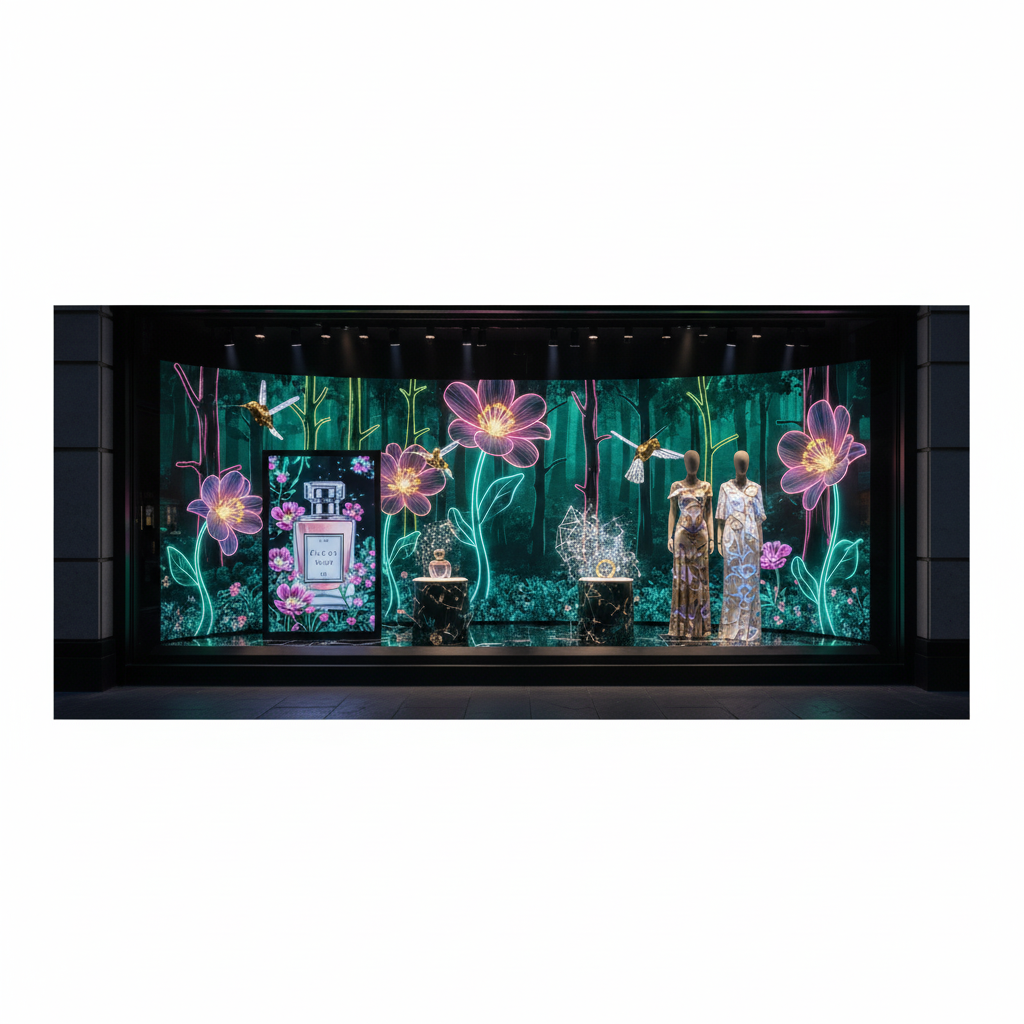
Design Concept: Architectural luxury meets artistic motion.
Visual Elements: Pastel tones, sculptural elements, and slow-spinning spheres combined with soft ambient lighting create a serene, elevated window display.
Why It Works: The mix of clean lines and gentle motion grabs attention without overwhelming, inviting shoppers in with brand integrity and sophistication.
Key Takeaway: Small retailers can use elevated display stands and subtle motion with soft lighting to create a high-end, inviting atmosphere.
2. Leaves of Trees
Design Concept: Nature-inspired immersive storytelling.
Visual Elements: Rich greens, reclaimed wood fixtures, and natural lighting combine in an open window display that feels fresh and inviting.
Why It Works: Tapping into the growing consumer love for natural elements and sustainability, the display builds a strong brand identity.
Key Takeaway: Integrate natural props and softer lighting to create a calming storefront window display that appeals to eco-conscious shoppers.
3. Saks Fifth Avenue x Vetements
Design Concept: Bold urban edge meets high fashion drama.
Visual Elements: Dark closed window displays punctuated by neon lighting and striking textures that pop against the backdrop.
Why It Works: Contrast and dramatic lighting create visual interest and drive foot traffic through a memorable, edgy vibe.
Key Takeaway: Use high contrast and dynamic lighting to help a boutique stand out in a bustling retail space.
4. Alice + Olivia
Design Concept: Playful, whimsical visual stories with a fashion twist.
Visual Elements: Bright colors, handcrafted props, and interactive elements create dynamic open window displays.
Why It Works: Playful design attracts attention, encourages window shopping, and builds brand recognition among younger demographics.
Key Takeaway: Embrace bright colors and interactive displays to engage a youthful audience and keep your retail store fresh.
5. Bergdorf Goodman
Design Concept: Classic luxury with modern minimalism.
Visual Elements: Clean lines, high-quality materials, and focused spotlighting create a refined yet welcoming display.
Why It Works: The minimalist design highlights key products without distraction, converting viewers into customers.
Key Takeaway: Small retailers should focus on product-focused minimalist displays with softer lighting to emphasize item quality.
6. Tiffany & Co.
Design Concept: Timeless elegance with signature brand colors.
Visual Elements: Iconic Tiffany blue backgrounds with white and silver accents, subtle spotlighting, and elegant props.
Why It Works: Strong brand colors and luxurious materials make a visually striking display that reinforces brand identity.
Key Takeaway: Use brand signature colors and simple but luxe materials to build a memorable storefront window display.
7. Barneys New York
Design Concept: Artistic and cultural provocation through bold visuals.
Visual Elements: Avant-garde styling with oversized props, graphic prints, and moody lighting in closed window displays.
Why It Works: Creates a buzz-worthy storefront that appeals to fashion-forward shoppers seeking unique experiences.
Key Takeaway: Use oversized props and strong graphic elements to build curiosity and attract niche audiences.
8. Fendi
Design Concept: Interactive luxury meets playful innovation.
Visual Elements: Dynamic digital screens paired with physical product displays and vibrant lighting bring energy and movement.
Why It Works: Mixing tech and tangible products creates an engaging experience that draws in digital-savvy customers, increasing foot traffic and brand recognition.
Key Takeaway: Combining digital screens with luxury keeps display products fresh and drives higher engagement.
9. TYPE Books
Design Concept: Narrative storytelling with cozy, bookish charm.
Visual Elements: Warm colors, stacks of books, vintage furnishings, and soft lighting create inviting open displays.
Why It Works: Builds emotional connections through storytelling, encouraging longer dwell times and repeat visits.
Key Takeaway: Use storytelling props and warm lighting to create a welcoming, engaging storefront window display.
10. Hermès
Design Concept: Geometric art meets narrative minimalism.
Visual Elements: Floating online platforms, rotating art objects, and soft pastel colors create a serene, sculptural impression.
Why It Works: The delicate balance of form and function helps the luxury products stand out while creating an emotional experience.
Key Takeaway: Use minimalist but creative visual elements and slow motion to craft a calming, sophisticated display.
11. UrbanGlass
Design Concept: Local artistry meets innovative transparency.
Visual Elements: Glass sculptures, natural light emphasis, and rotating exhibitions create a constantly fresh display.
Why It Works: Engages community interest and draws attention with unique, artistic window displays that feel part gallery, part retail.
Key Takeaway: Collaborate with local artists and refresh displays regularly to create unique, culturally rich retail window displays.
5 Expert Tips for Stunning Window Display Design
The secret to great window design lies in consistency, creativity, and adaptability. Here are 5 expert tips packed with actionable advice and examples from top retail window displays to help you create standout, effective displays:
- Keep Displays Fresh and Seasonal: Regularly rotate your window displays to highlight seasonal themes or local events. For instance, local boutique Leaf & Stone updates their storefront with vibrant, autumn-inspired natural elements and softer lighting, creating a cozy, inviting atmosphere that boosts foot traffic seasonally.
- Integrate Technology and Interactive Elements: Add motion-activated screens or touchpoints to engage passersby with product demos or styling ideas. Lush Cosmetics integrates interactive devices showing product origins and usage tips, offering shoppers a dynamic, sensory experience that deepens engagement and enhances brand identity.
- Be Bold with Creativity and Color: Use unexpected color pairings or oversized props to create an eye-catching display. Riot Gear sportswear uses neon hues and geometric shapes in their window displays on busy city streets, making their retail space impossible to overlook and highly attractive to their bold, active target audience.
- Keep It Simple Yet Impactful: Focus on strong focal points with a minimalist design. COS uses a sparse, sculptural aesthetic with sleek displays and strategic lighting to spotlight key products, making the shopping message clean, powerful, and aligned with their brand’s modern elegance.
- Maintain Visual Balance and Brand Consistency: Ensure your window display echoes your store’s style and branding fully. Muji employs clean lines, muted colors, and natural materials in both window and interior displays, enhancing brand recognition and creating a seamless, inviting retail experience that encourages window shopping.
These tips leverage proven design principles and real-world creative window display examples to help any retail store build impactful, eye-catching shop window displays that target customers and increase sales.
Turn Window Display Ideas into Polished Window Display Design
Great window display ideas only pay off when the execution matches the vision, which is where thoughtful window display design comes in. Planning your layout, lighting, and focal points in advance keeps every element working together, so your window display ideas translate into displays that stop shoppers and pull them inside. A clear design blueprint also makes it easier to refresh the look each season without starting from scratch.
Attract Customers with Stunning Store Window Displays Powered by AIScreen Digital Signage!
AIScreen helps you take your window displays and retail window display game to the next level by turning your storefront stories into exciting, dynamic digital experiences you control in real time. Imagine updating your content anytime from anywhere, no more static setups!
With over 1500 customizable templates ready to suit any vibe, from interactive displays to those seasonal campaigns you just love to switch up, AIScreen keeps your retail window display fresh and engaging. Plus, it works with all kinds of digital screens, so whether you are going for a subtle glow or a full-on visual splash, AIScreen has you covered.
What’s really cool? You can mix your physical displays with digital signage to create a visually striking display that grabs attention and draws people in. So if you want to wow window shoppers, boost brand identity, and get more foot traffic, AIScreen’s digital magic is your go-to.
Ready to make your store the talk of the street? Dive into some killer storefront window display ideas with AIScreen today!
Frequently Asked Questions
What are the main types of retail window displays?
The most common types of retail window displays are open-back displays that blend the window with the store interior, closed-back displays with solid backdrops focusing attention, shadowboxes for small product highlights, and corner window displays that attract shoppers from multiple angles. Each type serves different purposes and fits various retail spaces.
How often should I update my store window display?
You should ideally update your store window display every 4 to 6 weeks. Keeping your displays fresh and aligned with seasons, promotions, or new arrivals keeps shoppers curious and more likely to stop and come inside.
What makes a window display effective?
An effective window display grabs attention quickly with a clear focal point, well-chosen lighting, and a storytelling theme. It’s simple but visually striking, matching your brand’s vibe and encouraging shoppers to enter the store.
Can small boutiques create creative window displays on a budget?
Yes! Small boutiques can create creative window displays on a budget by using high-impact yet inexpensive props like natural elements or DIY decor, focusing on strong color schemes and simple but clean layouts. Regularly rotate your displays to keep showcasing new ideas without breaking the bank.
How can digital signage enhance retail window display design?
Digital signage enhances retail window display design by adding motion and interactivity, making window displays dynamic and engaging. It allows real-time updates, supports seasonal campaigns, and integrates easily with physical products, helping your retail window display stand out and connect with tech-savvy shoppers.
