
What Is Sustainable Signage And Why Does It Matter?
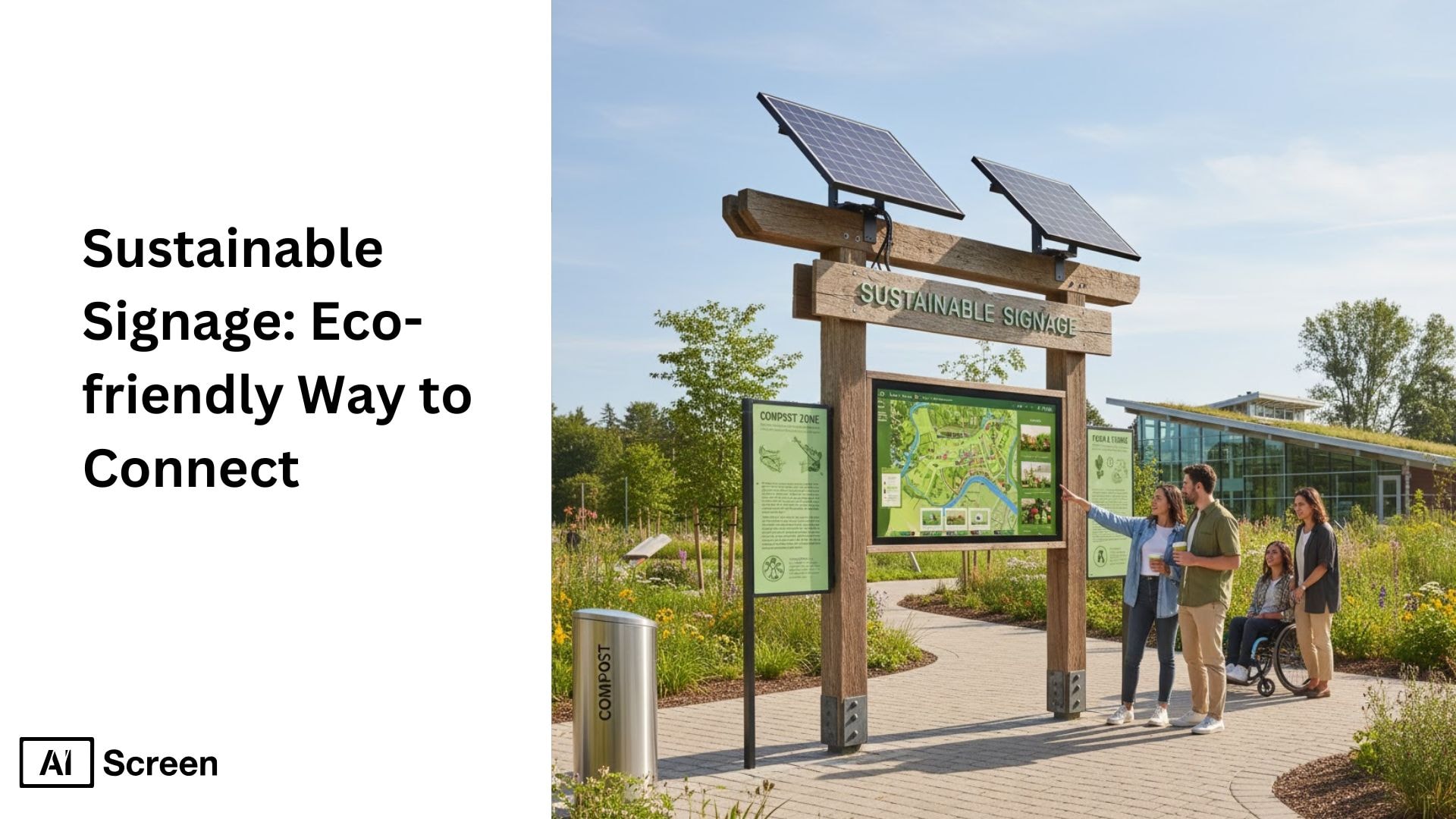
Do you know that the signs your business displays can speak volumes about your commitment to the environment? Sustainable signage is not just about visibility. It’s a powerful way to reduce carbon footprint, use recycled materials, and adopt energy-efficient technologies while strengthening your brand image. Businesses that invest in eco friendly signage solutions show customers they care about sustainability, conserve valuable resources, and create long-lasting impressions that truly connect. According to Digital Signage Today, switching to digital signage reduced carbon emissions by 7.5% compared to traditional poster signage.
In this article, we explore how sustainable signage and eco friendly signage solutions are transforming the way businesses communicate with their audience while caring for the environment. You will learn about the materials, production methods, and technologies that make signage environmentally responsible, as well as the benefits of reduced waste, energy savings, and improved brand reputation.
Modern facilities manage these displays with digital signage software so signage stays accurate and easy to update.
What is Sustainable Signage?
Sustainable signage is a thoughtful approach to communication where every sign you create reflects respect for the environment while still delivering powerful visual impact, and it revolves around low-impact materials, responsible production methods, and energy-efficient technologies that help you protect the planet while promoting your brand. Yodeck notes that every ton of paper used in traditional signage consumes 26,000 liters of water and produces 264 kg of air pollution, which can be avoided with digital signage or eco friendly materials.
You’ve probably noticed how eco friendly signage instantly feels more meaningful when it’s made from sustainable signage materials like recycled plastics, bamboo, biodegradable substrates, or reclaimed wood, because each of those choices quietly reduces carbon footprint and landfill waste.
Most people don’t realize that sustainability applies not only to physical signs but also to digital signage formats that use LED lighting, low-power screens, and smart systems to lower energy consumption while offering long-lasting communication. It becomes clear that sustainable practices don’t take away from creativity. They unlock a greener, more authentic way to connect with your audience while supporting a sustainable future.
What Are the Benefits of Sustainable Signage?
Sustainable signage becomes more than just a communication tool when you realize how it protects the planet, strengthens brand reputation, and reduces long-term operational costs, and every improvement in sustainability translates directly into emotional value for your audience. Digital displays extend those gains: the best rss weather feed digital signage keeps a screen current without reprinting, so one display serves years of messaging. Radiant Tech highlights that LED digital signage displays can last around 100,000 hours, roughly 10–11 years of continuous use, reducing the need for replacements. Let’s explore some crucial benefits below:
- Reduced Waste & Cleaner Environment: Sustainable signage minimizes landfill waste by using recycled materials, reclaimed wood, recycled plastics, eco friendly inks, and biodegradable substrates instead of traditional raw materials.
- Lower Carbon Footprint & Energy Savings: Energy efficient lighting like LEDs and low-power digital displays reduce energy consumption and overall carbon emissions while supporting an environmentally responsible branding strategy.
- Durability & Longer Lifespan: Eco friendly signs are built from sustainable materials that resist wear, meaning you don’t need frequent replacements, and your signage maintains visual impact for much longer.
- Cost Savings Over Time: The long-lasting nature of sustainable signage solutions cuts frequent printing expenses and maintenance costs, allowing businesses to invest once and benefit for years.
- Improved Brand Reputation & Customer Trust: When customers see your commitment to sustainability, it enhances your brand image, showing that you value environmental responsibility and are actively contributing to a greener future.


What Are the Sustainable Signage Materials?
Sustainable signage materials matter because the choices you make today determine how much waste you prevent tomorrow, and every eco friendly material you select becomes a statement about durability, recyclability, and responsibility. Pickcel states that paper and paperboard, common in traditional signage, account for 26% of total landfill waste. Here are some sustainable signage materials, including recycled metals and other eco-friendly options:
- Recycled Plastics: Ideal for sturdy outdoor eco friendly signs, offering durability and high recycled content while preventing plastic waste from ending up in landfills.
- Bamboo: A fast-growing renewable resource that creates lightweight yet strong signage with a natural aesthetic and very low environmental footprint.
- Reclaimed Wood: Gives signage a timeless visual appeal while reducing the need for fresh lumber and supporting the reuse of valuable resources.
- Biodegradable Substrates: Made from plant-based materials that break down naturally, helping businesses lower environmental impact without sacrificing visual quality.
- Water-Based Inks: These low VOC, eco friendly inks are safer for the environment and workers, eliminating toxic chemicals used in traditional printing.
- Low-Energy LED Lighting: Provides bright visual impact with less power consumption, extending lifespan and reducing energy usage compared to traditional lighting.
This also includes dimensional formats such as 3D signage, where depth, layered materials, and long-lasting construction can support sustainability through durability, reuse, and reduced replacement cycles.
How Do You Produce Sustainable Signage?
Creating an eco friendly sign is more than just choosing sustainable materials. It’s a mindful journey from concept to end-of-life, where every decision supports lower waste, responsible production, and long-term environmental care while still giving your brand a powerful visual impact. According to Wifitalents, over 70% of new signage projects now incorporate sustainable and recyclable materials. Follow the process to produce eco friendly sign:
- Plan an Efficient Design: Start by designing signage that uses only what’s needed, clean layouts, optimized dimensions, and minimal excess material help reduce waste from the very beginning.
- Use Low-Waste Printing Methods: Digital printing and controlled ink systems prevent overspray and unnecessary resource consumption while ensuring vibrant results with eco friendly inks.
- Source Renewable & Recycled Materials: Prioritize bamboo, reclaimed wood, recycled plastics, biodegradable substrates, and sustainable signage materials to reduce carbon footprint and protect natural resources.
- Integrate Energy-Efficient Processes: Choose LED lighting, solar panels, and low-power digital signage when illumination or motion is needed, ensuring less power consumption without sacrificing visual quality.
- Plan Responsible End-of-Life Recycling: Think ahead by selecting recyclable components and creating signage that can be easily separated and recycled once no longer needed, preventing landfill waste.
How Does Digital Signage Advance Sustainable Signage?
Digital signage takes sustainability beyond traditional printing by eliminating the need for constant reprints, menu swaps, posters, and paper-based promotional cycles that often end up as landfill waste. You’ve probably noticed how a single screen can update endlessly without generating physical waste, and that alone dramatically reduces raw materials and carbon footprint. Most people don’t realize how powerful it feels when your communication becomes greener without sacrificing clarity, creativity, or engagement. HubSpot Research shows that businesses using digital signage saw up to a 33% increase in sales after implementation.
The true beauty of digital signage lies in its long-lasting communication and real-time updates, allowing you to change content instantly while using energy efficient screens that consume less power than traditional illuminated signs. Instead of discarding old signage after every campaign, you simply update the display with new visuals whenever needed, contributing to sustainability without slowing down your marketing. That’s how digital signage becomes an eco friendly signage solution that protects the environment while contributing to a sustainable future and giving your customers a richer, more dynamic experience.
Why Digital Signage is Becoming a Key Part of Environmental Friendly Branding
Have you ever wondered how some brands seem to communicate effortlessly while still caring for the planet? Digital signage makes this possible by replacing hundreds of printed signs with a single energy efficient screen, reducing waste, lowering carbon footprint, and keeping your message fresh in real time. Most people don’t realize that every update, every visual, and every campaign becomes a statement of sustainability when you choose digital signage over traditional signage methods.
The real magic happens when content becomes reusable and scalable across multiple locations without consuming extra raw materials or producing landfill waste. Imagine updating promotions in seconds, keeping your brand image consistent, and still contributing to a greener future; that’s how digital signage blends creativity with environmental responsibility. You’ve probably noticed how eco conscious brands gain trust and admiration simply by showing that their communication has a positive environmental impact and is thoughtful, long lasting, and eco friendly.
Here’s a natural question-style heading using both keywords:
Which Types of Signage Material Work Best for Sustainable Signage?
Choosing the right types of signage material plays a major role in creating effective sustainable signage. Materials such as recycled aluminum, reclaimed wood, recyclable plastics, bamboo, and responsibly sourced paper can help reduce environmental impact while still providing durability and visual appeal. The best choice depends on whether the sign will be used indoors or outdoors, how long it needs to last, and how often the content may need to change.
For businesses focused on sustainable signage, it is also important to consider the full life cycle of each material, including production, maintenance, reuse, and disposal. Durable and recyclable options can reduce replacement frequency, while digital signage may further cut down on printed materials for frequently updated content. Comparing different types of signage material helps businesses balance appearance, performance, cost, and environmental responsibility.
Here’s the expanded version:
Why Choose AIScreen for Sustainable Signage?
AIScreen replaces printed signs with cloud-managed digital displays, so your business can reduce paper waste, update content instantly, and manage every screen from one central dashboard. This makes it easier to keep messaging current while cutting down on repeated printing, manual replacements, and unnecessary material use.
As a leading provider of digital signage solutions, AIScreen helps businesses build more sustainable communication strategies with remote content management, flexible scheduling, and reusable digital displays. Its cloud-based platform supports efficient updates across one or multiple locations, helping organizations reduce waste while maintaining consistent, professional, and engaging signage.
Start your free trial and make your sustainable signage greener today.
Frequently Asked Questions
What materials are commonly used to create sustainable signage?
The materials that are commonly used to create sustainable signage include recycled plastics, reclaimed wood, bamboo, biodegradable substrates, and eco friendly inks. These materials combine durability with environmental responsibility, making them a great choice for sustainable signs while reducing landfill waste. Low-energy LED lighting and water-based inks also help minimize energy consumption and overall environmental footprint. Every choice contributes to sustainability while enhancing a brand’s reputation as eco conscious.
How does sustainable signage help reduce environmental impact?
Sustainable signage can help reduce environmental impact by lowering carbon emissions, conserving raw materials, and preventing unnecessary waste. Durable signs and energy-efficient displays decrease the need for frequent replacements, which reduces the strain on renewable resources. Brands that implement environmentally responsible signage practices demonstrate their commitment to sustainability and a greener future. These solutions make environmental stewardship an integral part of everyday business operations.
Why should brands invest in sustainable signage solutions?
Brands invest in sustainable signage solutions because they align their communication strategy with energy savings, reduced carbon footprint, and environmental responsibility. Eco friendly signs show a visible commitment to sustainability, which strengthens customer trust and improves brand image. Durable materials and energy-efficient technologies also help reduce long-term operational costs. Investing in sustainable signage allows businesses to deliver impactful messages while supporting responsible production methods and eco friendly practices.
What are the best sustainable signage ideas for retail and event spaces?
The best sustainable signage ideas for retail and event spaces include digital displays, recycled metals, bamboo structures, water-based inks, and LED lighting. These approaches combine high visual impact with eco friendly materials and energy-efficient technology, which is essential in today’s world . Reusable and recyclable event signage further reduces waste while maintaining effective communication. Sustainable signage in these spaces reinforces a brand’s commitment to environmental responsibility and promotes a greener future.
How much does sustainable signage cost?
The cost of sustainable signage depends on factors such as size, materials, complexity, and whether it includes digital or traditional formats. Eco friendly solutions may have higher upfront costs, but durability, energy efficiency, and lower maintenance make them cost-effective over time. Using recycled content, energy-efficient lighting, and responsible production methods reduces long-term expenses. Sustainable signage is an investment that delivers both environmental benefits and a stronger brand reputation.
The best RSS weather feed digital signage setups reduce sustainable signage waste by keeping a screen endlessly current so nothing ever needs reprinting. When a display pulls live data through the best rss weather feed digital signage integrations, the content refreshes itself with weather, news, and updates, and the same screen serves years of messaging without a single new print run. That matters because the world consumes over 400 million tonnes of paper and cardboard a year, according to the Environmental Paper Network, and printed signage feeds directly into that total.
